Presidents' Day 2026
Monday, February 16, 2026
248 days ago
Presidents' Day
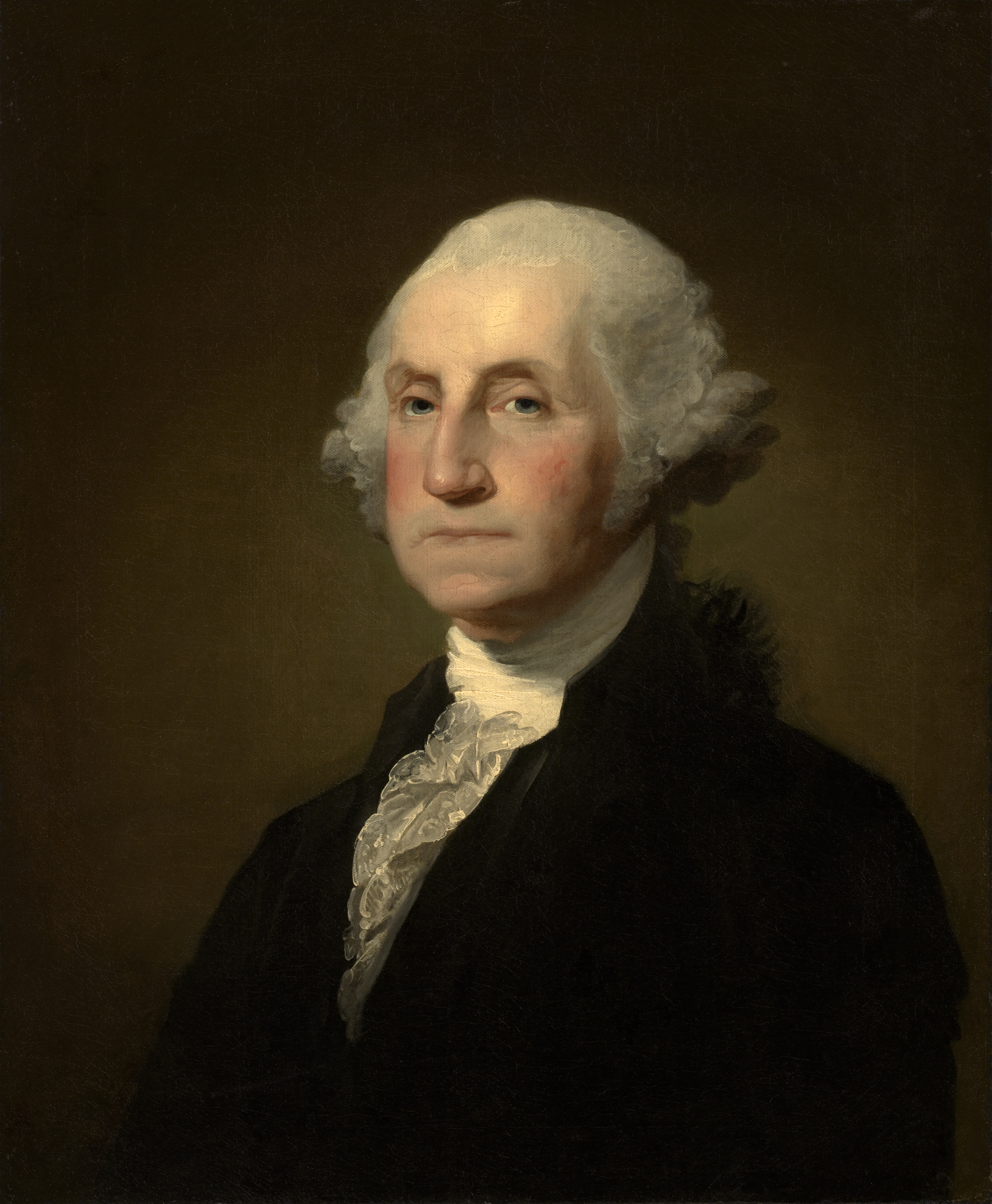
Presidents' Day is a United States holiday observed on the third Monday of February. Officially named Washington's Birthday at the federal level, it has been a federal holiday honoring George Washington since 1879. Washington, a Founding Father, led the Continental Army to victory in the American Revolutionary War, presided at the Constitutional Convention of 1787, and was the first U.S. president from 1789 to 1797. The holiday's purpose has expanded over time to celebrate all those who have served as presidents of the United States.
Washington's Birthday was initially celebrated on February 22, his birthdate. This practice continued from 1879 until 1970. In 1968, the Uniform Monday Holiday Act moved the federal observation to the third Monday in February, effective from 1971. This change aimed to provide federal employees with a three-day weekend. The third Monday in February can fall between February 15 and 21. Following this shift, the name "Presidents' Day" became widely used, with variations in apostrophe placement. This broader designation often provides an occasion to commemorate all U.S. presidents or to honor both George Washington and Abraham Lincoln together.
Abraham Lincoln's birthday, February 12, was never a federal holiday. However, many states formerly celebrated Lincoln's birthday separately. With the advent of Presidents' Day, nearly half of state governments have renamed their observance to "Presidents' Day," "Washington and Lincoln Day," or similar designations, often combining the celebration of these two presidents. Lincoln is remembered for leading the nation through the American Civil War, preserving the Union, abolishing slavery, strengthening the federal government, and modernizing the U.S. economy.
The way Presidents' Day is observed varies by state. While it is an official state holiday in most states, the specific honorees and names differ. Some states, like Virginia, officially celebrate "George Washington Day," honoring Washington alone. Others, such as Colorado and Ohio, observe "Washington–Lincoln Day," specifically recognizing both presidents. Several states, including Hawaii, New Mexico, and Texas, use the name "Presidents' Day," generally commemorating all presidents. A few states, such as Alabama, include additional figures, like Thomas Jefferson, in their observances. In contrast, California uses the generic term "The third Monday in February," and Delaware does not observe the federal holiday.
There are also instances where states celebrate presidential birthdays on dates other than the third Monday in February. In Massachusetts, Washington's Birthday is officially celebrated on the same day as the federal holiday, but the state also issues a "Presidents Day" proclamation on May 29, honoring presidents with roots in Massachusetts. Some states, including California, New York, and Illinois, observe Lincoln's Birthday as a separate state holiday on February 12. New Mexico observes a "Presidents' Day" as a state-government paid holiday on the Friday after Thanksgiving, even though the legal public holiday remains the third Monday in February. In Georgia and Indiana, Washington's Birthday is observed on specific days around Christmas, not necessarily as a paid state holiday.
Today, Presidents' Day remains a complex holiday, reflecting both its origins in honoring George Washington and its evolution to encompass other presidential legacies. Its observance on the third Monday of February provides a consistent federal holiday, yet its specific meaning and associated traditions are shaped by diverse state-level naming conventions and commemorations. It serves as an occasion for reflection on the leadership and history of the American presidency.