New Year's Day 2026
Thursday 1 January 2026
294 days ago
New Year's Day
New Year's Day, observed on January 1st in the Gregorian calendar, marks the advent of a new year. This fixed date contrasts with lunisolar or lunar calendars, which celebrate their new year at varying points in the solar year. The tradition of marking the beginning of the year around the northern winter solstice is evident in many solar calendars. Historically, the day was dedicated to Janus, the Roman god of gateways and beginnings, from whom January derives its name. For centuries, the celebration of the new year in Christian Europe varied, occurring on dates such as December 25th, March 1st, March 25th, or the movable feast of Easter, until the mid-18th century.
The concept of a new year has ancient roots. The Babylonian calendar, a lunisolar system, initiated its new year and a spring festival during the month of Nisan, aligning with the March equinox, around 2000 BC. The early Roman calendar designated March 1st as the first day of the year, originally comprising ten months. The names of later months like September (Latin for seven), October (eight), November (nine), and December (ten) reflect their original positions in this earlier calendar. Roman tradition attributes the addition of January and February to King Numa. These months were initially placed at the end of the year but later became the first two.
The establishment of January 1st as the start of the new year in Rome developed after 153 BC, when it became the day for inaugurating new consuls, following a rebellion in Hispania that began the second Celtiberian War. Romans often dated years by consulships rather than sequentially, and aligning the kalends of January with the new year helped standardize this dating. Despite this, private and religious celebrations related to the March new year persisted for some time. Once January 1st gained prominence as the new year, it became a time for family gatherings. A superstition against market days falling on the kalends of January, stemming from a series of disasters including a rebellion in 78 BC, led pontiffs to employ intercalation to avoid this occurrence.
Julius Caesar's reform of the Roman calendar in 46 BC, which took effect on January 1st, 45 BC, established the Julian calendar. This calendar became dominant in the Roman Empire and much of the Western world for more than 1,600 years, maintaining January 1st as the year's beginning. However, even with the Julian calendar's adoption, regional variations in the new year's start date existed. For instance, the Alexandrian calendar in Egypt began on August 29th (or August 30th in a leap year), while some provincial calendars started on September 23rd, the birthday of Emperor Augustus. The Eastern Orthodox Church, using the Julian calendar, continues to observe its liturgical year from September 1st, influenced by the indiction system.
In Christian Europe during the Middle Ages, the new year was celebrated on various dates besides January 1st. These included December 25th, commemorating the birth of Jesus; March 1st, in the ancient Roman style; March 25th, observing Lady Day (the Feast of the Annunciation); and on the movable feast of Easter. Today, many Christians of different denominations participate in watchnight services on New Year's Eve, concluding in the morning of New Year's Day. These services often include prayer, confession, singing, and Holy Communion, providing an opportunity for reflection and preparation for the year ahead. Liturgically, New Year's Day traditionally marked the Feast of the Naming and Circumcision of Jesus, still observed in some denominations, while the mainstream Roman Catholic Church celebrates the Solemnity of Mary, Mother of God.
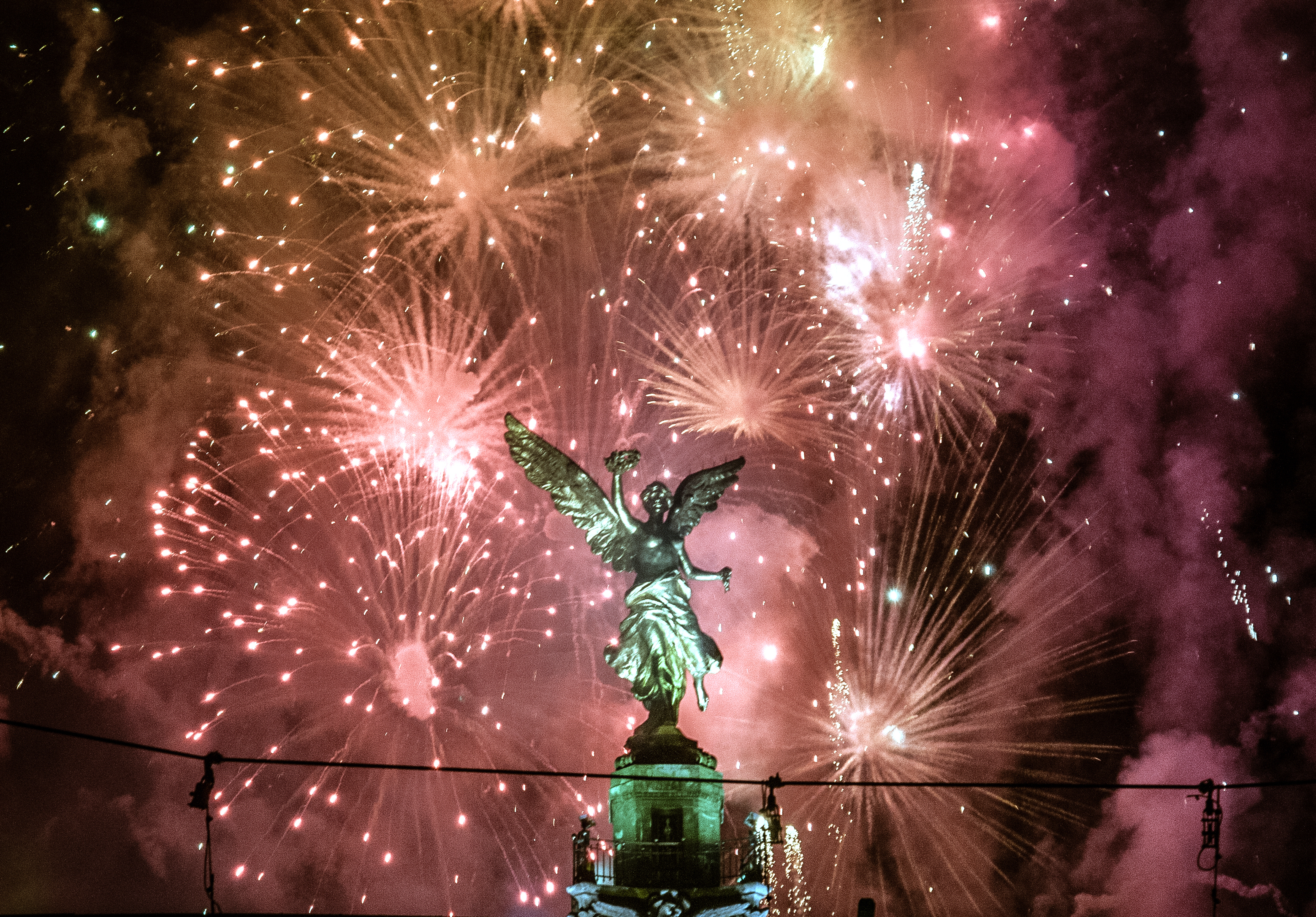
Globally, January 1st, as the first day of the Gregorian calendar, is widely recognized as a public holiday. Celebrations often involve fireworks at midnight following New Year's Eve, as each time zone transitions into the new year. Other common traditions include making New Year's resolutions and contacting friends and family. This widespread observance reflects its current significance as a shared moment for reflection, renewal, and celebration across cultures that utilize the Gregorian calendar.
Also observed in 2026
Countries that mark this date as a public holiday: